If you are new to medical cannabis in Rhode Island, one of the first things you will notice is the vocabulary. The state does not call its medical dispensaries "dispensaries" — at least not officially. Rhode Island runs its medical program through what it calls compassion centers. Understanding what that word means, and how a compassion center works, will make your whole experience smoother, from your first evaluation to your first visit.
At 11th State Consultations, we guide Rhode Island residents through the certification process and into the state program every day. This guide walks you through what compassion centers are, where they are, and how to get the most out of your card once you have it.
What Is a Compassion Center in Rhode Island?
A compassion center is the official Rhode Island term for a licensed facility that grows, prepares, and sells medical cannabis to registered patients. The program was created under the Edward O. Hawkins and Thomas C. Slater Medical Marijuana Act, passed in 2006 — one of the oldest medical cannabis programs in the country — and compassion centers have been part of it since the beginning.
In practical terms, a compassion center works like a pharmacy for medical cannabis. You present your registration card, a staff member reviews it, and you purchase the products that fit your treatment plan. The centers are regulated by the Rhode Island Department of Health, and every product sold to a registered patient has to meet the state's testing and labeling requirements.
The word compassion centers is also the term patients actually search for, so you will hear both names used. When Rhode Islanders talk about "the dispensary," they usually mean a compassion center. Both words describe the same places, and we use them interchangeably throughout this article.
Who Can Shop at a Rhode Island Compassion Center?
Only registered medical cannabis patients can purchase at a compassion center. To shop there, you need two things:
- A current Rhode Island medical cannabis registration card, issued through the state program.
- A valid photo ID, so staff can confirm the card belongs to you.
You do not need to be a patient of a specific clinic. Once you are registered with the state, you can visit any licensed compassion center in Rhode Island, regardless of which provider certified you. That flexibility is built into the program on purpose — patients should be free to choose the center that best fits their needs.
It is worth one important note here: Rhode Island no longer allows out-of-state cardholders to purchase under its medical program. If you hold a medical card from another state, it will not work at a Rhode Island compassion center. This guide is written for Rhode Island residents, and the whole program runs on a Rhode Island registration.
Where Are Rhode Island's Compassion Centers?
Rhode Island keeps an updated, state-approved list of licensed compassion centers, and 11th State Consultations maintains the same list on our dispensaries page. That page is the best place to check current locations, addresses, phone numbers, and websites, because the licensed list changes over time as new centers open and others update their operations.
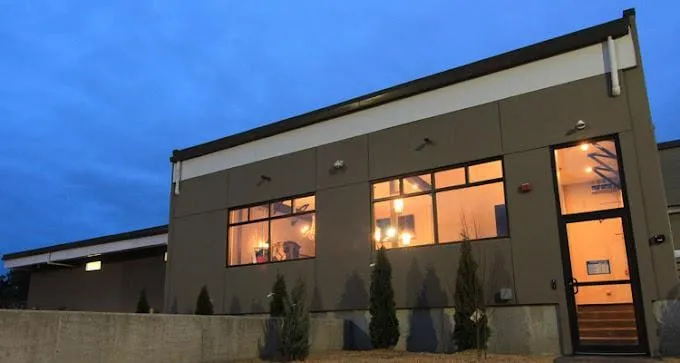
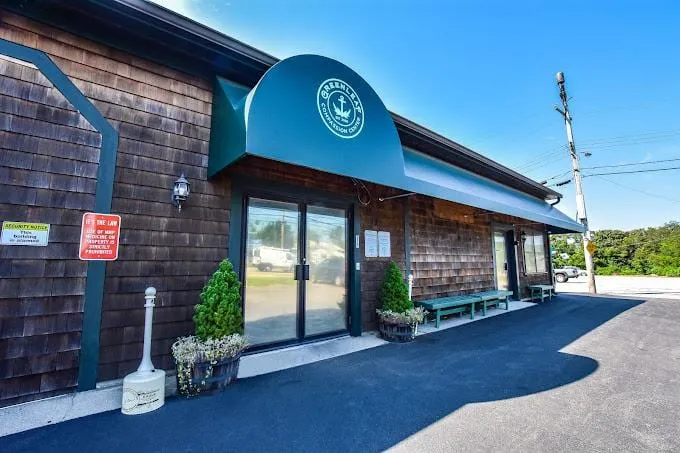
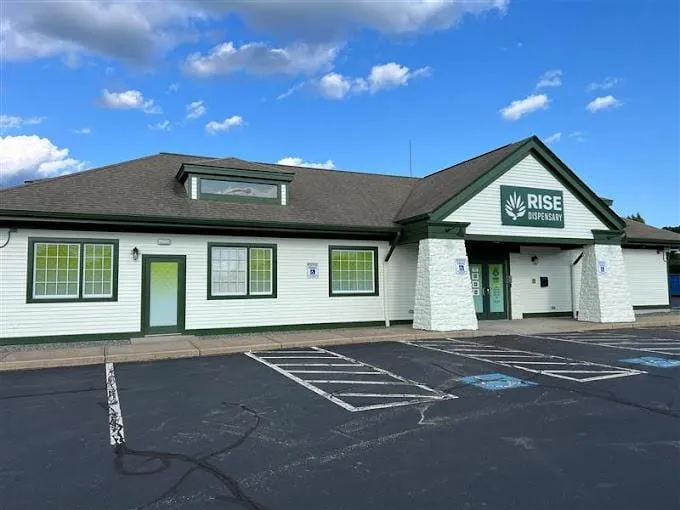
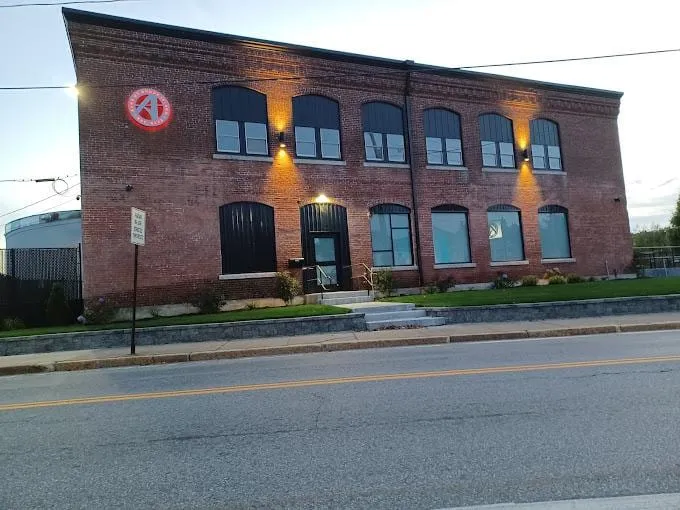
Among the centers serving the state are Thomas C. Slater Compassion Center in Providence, Greenleaf Compassionate Care Center in Portsmouth, RISE Warwick in Warwick, and Aura of Rhode Island in Central Falls. There are additional licensed centers across the state, so no matter where you live in Rhode Island, you are likely within a reasonable drive of one.
Compassion centers are spread across multiple regions — Providence, Portsmouth, Warwick, Central Falls, Pawtucket, and beyond — so access is statewide rather than concentrated in one city.
How to Use Your Card at a Compassion Center
The process of buying medical cannabis at a compassion center is straightforward, especially once you have been through it the first time. Here is how it typically works.
Bring your card and ID. When you arrive, you check in and present your registration card and a valid photo ID at the reception area. Staff verify that your card is current and belongs to you.
Talk to a staff member. After check-in, you meet with a staff member who can answer questions about the products available. Compassion center staff are trained to help you find what fits your needs, though they will not give medical advice or make clinical claims. They can tell you about the product categories in stock and how each one works.
Choose your products. A compassion center carries a range of medical cannabis products — flower, concentrates, edibles, tinctures, and topicals among them. Your provider and the staff can help you identify what fits your treatment plan.
Pay and go. You complete your purchase and leave with your products in labeled, child-resistant packaging. Payment is typically by cash, and many centers have an ATM on site because federal banking rules limit how they can process cards.
Your first visit can feel a little unfamiliar, but it does not have to be stressful. A little preparation goes a long way. If you want a head start on what to expect, our guide to dispensaries and medical products in Rhode Island lays out the product types and how to choose sensibly.
The Real Value of a Rhode Island Medical Card
Compassion centers are where a registered patient feels the benefits of the medical program most directly. The advantages are substantial and worth understanding.
- Tax savings on every purchase. Registered medical patients pay only the 7% state sales tax on their purchases. Adult-use buyers, by contrast, pay about 20% once the state and local cannabis excise taxes are added. That works out to a savings of roughly 13% on every purchase you make at a compassion center compared with buying adult-use.
- Access to higher-dose products. A medical card gives you access to considerably higher-dose medical products than what is available to adult-use consumers — a real benefit for anyone managing a serious or ongoing condition.
- Higher possession and purchase limits. Registered patients can legally possess more than adult-use consumers, which matters if you rely on a consistent supply.
- Expanded home cultivation. If you choose to grow your own, registered patients may cultivate up to 12 mature plants and 12 immature plants with valid plant tags — four times the allowance of an adult household. And Rhode Island charges patients nothing to register, so there is no added cost at the state level.
- No state registration fee. As of December 2022, Rhode Island eliminated patient registration and renewal fees. The state charges patients nothing to register with the program, which removes a major barrier to getting started.
If you would like to understand whether your condition qualifies before you go any further, our guide to Rhode Island medical card eligibility requirements covers the conditions and documentation the state looks for.
Start With Certification
Every compassion center visit begins before you ever walk through the door. To get your registration card, you first complete a certification with a licensed provider, who determines whether medical cannabis may be appropriate for your situation.
At 11th State Consultations, we connect Rhode Island residents with licensed, in-state providers, guide you through every step of the process, and help you get your medical card. We make the process simple and straightforward — and if you are not approved, you are fully refunded.
If you are ready to start, the best next step is to check whether you qualify or reach out to our team. You can call us at 401-228-5184 or use the contact form — we will help you understand the process and get you on your way to compassionate, responsible access.
This content is for general information only and is not medical or legal advice. Whether medical cannabis is appropriate for you is a decision for a licensed provider.