The cannabis landscape in Rhode Island has evolved significantly in recent years, with both medical marijuana and adult-use options now available to residents. Understanding the key differences between these two systems is essential for making informed decisions about cannabis use. Whether you’re considering cannabis for health conditions or recreational purposes, knowing the distinct regulations, benefits, and limitations of each program will help you navigate Rhode Island’s cannabis framework effectively.
History of Marijuana Legislation in Rhode Island
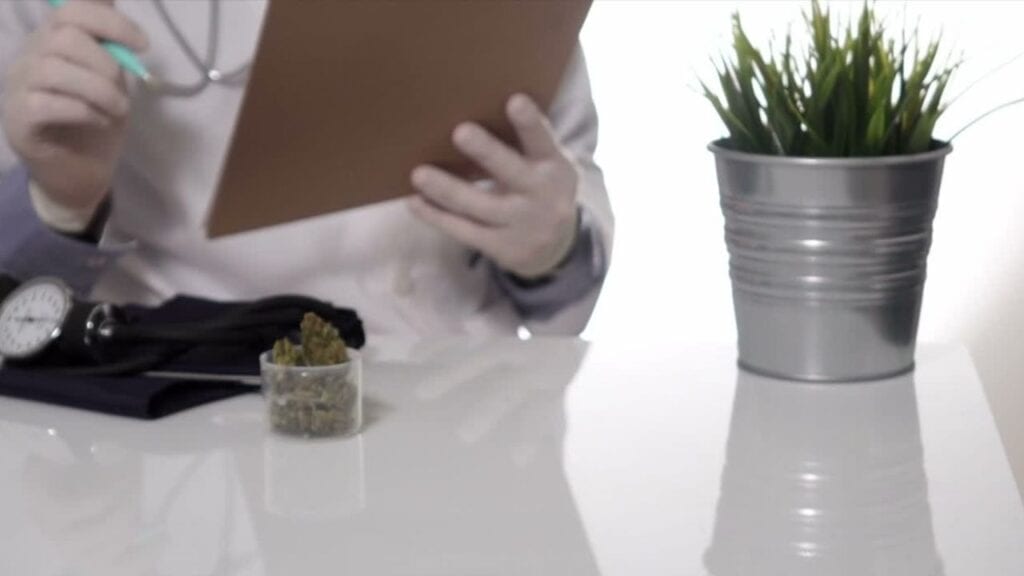
Rhode Island’s journey with cannabis began with the establishment of the Medical Marijuana Program in 2006, making it one of the earlier states to recognize cannabis’s therapeutic potential. For many years, this medical-only framework served as the sole legal access point for Rhode Island patients. The landscape changed dramatically when adult-use cannabis became legal, creating a dual system where both medical and recreational markets operate simultaneously but with important distinctions that continue to make the medical program valuable for qualifying patients.
Medical Marijuana in Rhode Island: Key Features

Qualifying Conditions
- Chronic or debilitating conditions including cancer, glaucoma, HIV/AIDS
- Chronic pain conditions that limit daily activities
- PTSD, severe nausea, seizures, and other qualifying conditions
- Conditions that may respond favorably to cannabis treatment
Registration Benefits
- Higher possession limits compared to recreational users
- Tax exemptions on purchases
- Access to higher potency products
- Ability to grow plants at home (with proper registration)
- Potentially lower costs over time
The medical marijuana program continues to serve patients with specific health needs by providing structured access to cannabis as part of their wellness regimen, with regulations designed to support therapeutic use.
Adult-Use Marijuana in Rhode Island: Key Features
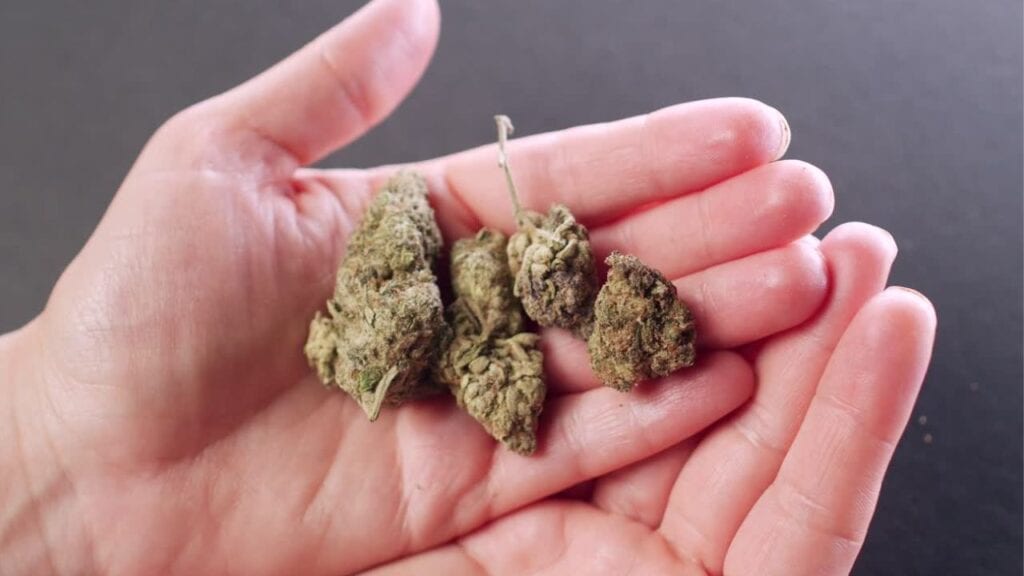
The recreational cannabis program allows adults 21 and older to purchase and possess cannabis without a medical card. Key features include:
- Standard possession limits (typically lower than medical limits)
- Required taxation on all purchases
- Age verification requirements
- Stricter regulations on purchase quantities
- Different product selection in some cases
While convenient for occasional users, the recreational system lacks many of the specialized benefits that medical patients receive.
Cost Comparisons
The financial differences between medical and recreational cannabis can be substantial:
Medical Cannabis
- Exempt from retail excise taxes
- Higher possession limits mean fewer trips and potentially lower costs
- Initial registration fee but significant long-term savings
- Access to potential insurance coverage for certification visits
Recreational Cannabis
- Subject to standard sales tax plus cannabis-specific excise taxes
- No registration costs but higher per-purchase costs
- No professional guidance included in the purchase experience
For regular cannabis users, especially those with qualifying conditions, the medical program often offers significant cost advantages over time despite the initial registration process.
Legal Protections

Medical marijuana patients in Rhode Island enjoy several important legal protections that recreational users do not:
- Employment protections for registered patients
- Housing protections in certain situations
- Higher possession limits
- Medical privacy protections
- Legal framework specifically designed to protect patient access
These additional protections can be crucial for patients who rely on cannabis as part of their health management strategy.
Product Quality and Selection

While both markets must meet safety testing standards, there are notable differences in available products:
- Medical products may have higher allowable potency levels
- Certain specialized formulations may only be available to medical patients
- Some dispensaries offer medical-only products designed for specific conditions
- Medical patients receive priority access during product shortages
The medical market continues to focus on therapeutic applications, while the recreational market typically emphasizes general consumer products.
How to Determine Which Option Is Right for You
Consider these factors when deciding between medical and recreational cannabis:
- Do you have a qualifying medical condition?
- How frequently do you anticipate using cannabis?
- Is cost a significant factor in your decision?
- Do you need the additional legal protections offered to medical patients?
- Would you benefit from professional guidance in using cannabis?
For those with qualifying conditions who use cannabis regularly, the medical program typically offers advantages in cost, legal protection, and product access that make it worth considering.
Steps to Obtain a Medical Marijuana Card in Rhode Island
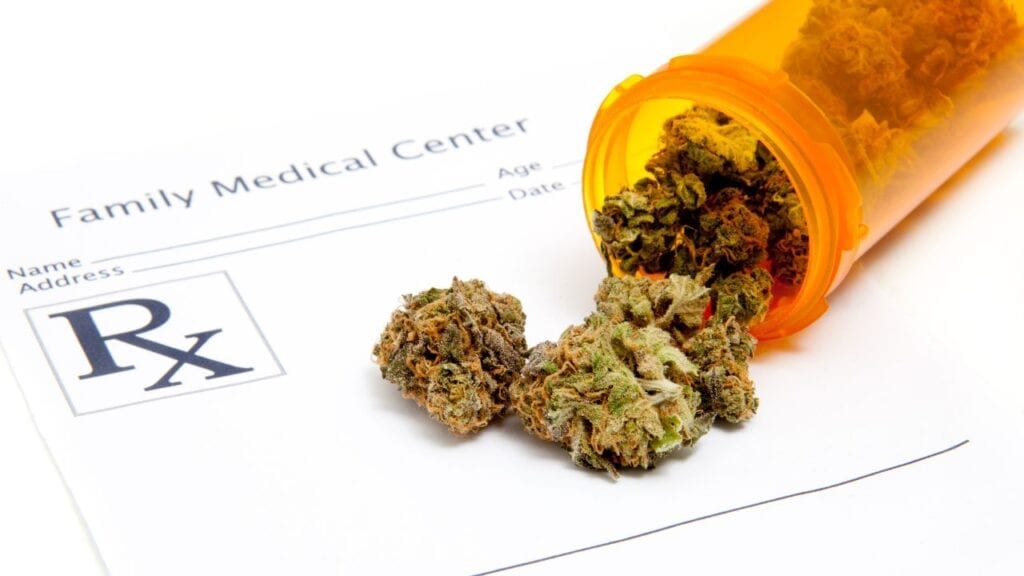
Getting your medical marijuana card involves several straightforward steps:
- Confirm you have a qualifying condition
- Gather relevant medical records
- Schedule a consultation with a certified provider
- Complete the state registration process after receiving certification
- Renew your card periodically as required
The process is designed to be accessible while ensuring proper medical oversight. At 11th State Consults, patients can receive comprehensive assistance throughout this process, making it simpler to navigate the medical marijuana program requirements.
Conclusion
While Rhode Island offers both medical and recreational cannabis options, significant differences exist between these systems. For those with qualifying conditions, the medical marijuana program continues to offer substantial benefits including cost savings, legal protections, and specialized products. Understanding these differences allows you to make the choice that best fits your specific needs and circumstances.
If you’re considering medical marijuana and would like to learn more about whether you qualify, the team at 11th State Consults can provide expert guidance through the certification process. For more information or to schedule a consultation, call 401-228-5184 or visit 11thstateconsults.com to begin your journey toward potentially improved wellness through Rhode Island’s medical marijuana program.