The landscape of cannabis access in Rhode Island has evolved significantly in recent years. With both medical marijuana and recreational cannabis now available in the Ocean State, many residents are weighing their options. Whether you’re considering cannabis for medical purposes or recreational use, understanding the key differences between these two paths is essential for making an informed decision that aligns with your specific needs.
The Legal Landscape in Rhode Island

Rhode Island’s journey with cannabis began with the establishment of the medical marijuana program in 2006, making it one of the earlier states to recognize the medicinal value of cannabis. The medical marijuana law created a framework for qualified patients to access cannabis for treating various medical conditions.
More recently, Rhode Island approved adult-use cannabis, allowing adults 21 and over to purchase marijuana for recreational purposes. While both programs operate under the oversight of Rhode Island’s departments of health and business regulation, they function quite differently in practice.
Understanding these differences isn’t just about legal compliance—it can significantly impact your experience, costs, and the benefits you receive from cannabis use in Rhode Island.
Benefits of Medical Marijuana in Rhode Island

The Rhode Island medical marijuana program offers several distinct advantages for those qualifying as medical cannabis patients. Perhaps most significantly, the program takes a patient-centered approach focused on addressing specific medical conditions.
Medical marijuana cardholders enjoy higher possession limits compared to recreational users. While recreational possession of marijuana is capped at lower amounts, medical patients can possess larger quantities of usable marijuana to ensure they have adequate supply for their treatment regimens.
From a financial perspective, medical marijuana cardholders are exempt from the adult-use cannabis tax that recreational users must pay. This tax exemption can lead to substantial savings, especially for patients who rely on cannabis as a regular part of their medical treatments.
Additionally, medical cannabis patients receive personalized guidance regarding appropriate cannabis products, dosing, and administration methods. This medical approach can be invaluable for those using cannabis to address chronic conditions like:
• Chronic pain or intractable pain • Severe nausea or intractable nausea • Inflammatory bowel disease • Symptoms related to human immunodeficiency virus or immune deficiency syndrome • Weight loss associated with debilitating disease • Nail-patella syndrome • Other qualifying conditions that haven’t responded to standard treatments
Recreational Marijuana: Understanding the Option

The legalization of recreational marijuana in Rhode Island has opened a new avenue for adults to access cannabis legally without needing to qualify as medical patients. This adult-use cannabis market offers immediate access without the process of obtaining medical marijuana certifications.
Recreational users must adhere to specific purchase limits and possession limits established by Rhode Island law. These regulations determine how much marijuana products an individual can legally purchase and possess at any given time at their primary residence.
It’s important to note that recreational cannabis purchases include an adult-use cannabis tax that doesn’t apply to medical marijuana sales. This additional Sales Tax increases the overall cost of cannabis for recreational purposes compared to medicinal purposes.
Age restrictions are strictly enforced, requiring all recreational users to provide valid government identification proving they’re at least 21 years old—similar to alcohol purchasing regulations.
Cost Comparison: Medical vs. Recreational
When evaluating the financial aspects of medical versus recreational cannabis, several factors come into play.
Obtaining a medical marijuana card does involve initial costs for appointments with qualified physicians who can assess whether your medical conditions qualify under the medical marijuana program. However, this upfront investment can yield substantial long-term savings.
The exemption from adult-use cannabis tax represents significant savings for regular cannabis users. For example, someone purchasing $200 of cannabis products monthly could save hundreds annually through tax exemptions alone.
For patients using cannabis to address chronic conditions requiring regular use, the return on investment for obtaining a medical cannabis card typically occurs within just a few months of regular purchases.
Product Quality and Selection Differences
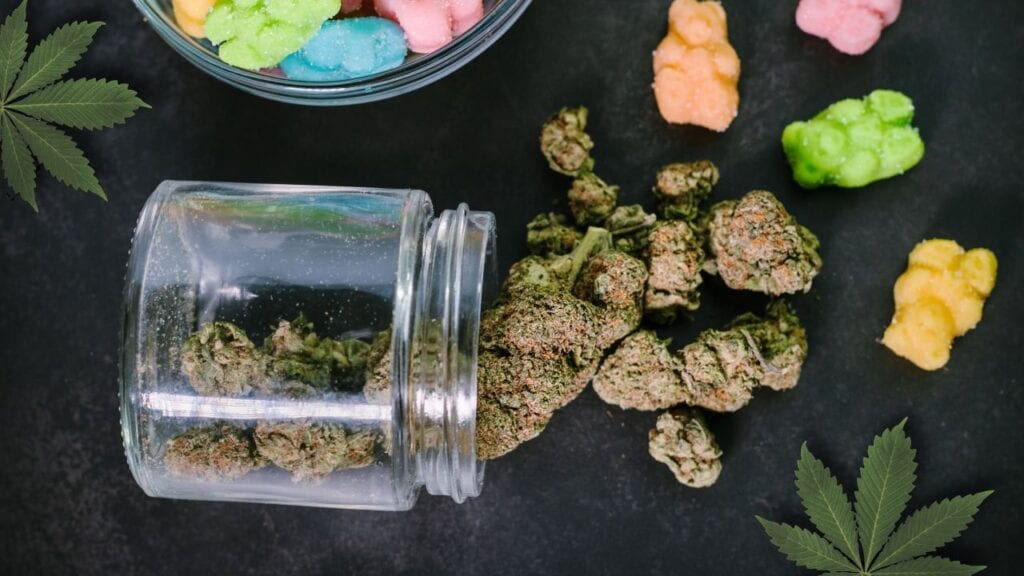
While both medical marijuana dispensaries and recreational dispensaries offer cannabis products, there can be meaningful differences in their offerings.
Medical cannabis products sometimes undergo additional testing protocols, particularly for products designed for specific medical purposes. This can be especially important for patients with immune deficiency syndrome or other conditions where product purity is crucial.
Medical patients often have access to products with specific ratios of cannabinoids formulated to address particular medical conditions. These specialized products may not always be available in the recreational market, which tends to focus more on general consumer preferences.
The efficacy of marijuana for medicinal purposes often depends on finding the right products and administration methods for a specific condition. Methods like vaporizing of cannabis including specific strains may be recommended for certain treatment options, while others might benefit from different consumption methods.
Privacy and Record-Keeping Considerations

Medical marijuana patients enjoy certain privacy protections similar to other medical treatments. Your status as a medical cannabis patient is protected health information and isn’t typically accessible to employers or others without your consent.
Conversely, recreational purchases, while legal, don’t carry the same medical privacy protections. This distinction could be important for individuals concerned about potential stigma or workplace policies.
Some employers have different policies regarding medical marijuana use versus recreational cannabis consumption. While policies vary by employer, medical marijuana patients sometimes have additional workplace protections when using cannabis as part of documented treatment options.
Neither option provides complete protection from potential issues with the Federal government, as cannabis remains classified among Dangerous Drugs at the federal level despite state legalization of marijuana.
Making Your Decision: Factors to Consider
When deciding between medical and recreational cannabis in Rhode Island, consider:
• Frequency of use: Regular users typically benefit more from the medical program’s cost savings and higher possession limits • Specific health concerns: Those using cannabis for chronic pain or other qualifying conditions may benefit from the medical approach • Budget considerations: Tax exemptions make medical cannabis more economical for regular users • Privacy needs: Medical programs offer additional confidentiality protections • Quality of life impact: For those whose symptoms significantly affect daily functioning, the structured medical approach may provide better outcomes
These factors should be weighed against your personal circumstances to determine which path aligns best with your needs.
Getting Started with Medical Marijuana in Rhode Island
Eligible patients interested in Rhode Island’s medical marijuana program should know that the process is more straightforward than many assume.
The first step involves consulting with licensed physicians who can determine if your condition qualifies under state guidelines. Qualifying conditions include severe pain, chronic conditions, and other situations where cannabis might improve quality of life when standard treatments have proven insufficient.
The application process includes verifying your primary residence in Rhode Island and completing the necessary documentation. Qualified patients may also designate primary caregivers if assistance is needed with obtaining or administering their medicine.
For those considering the cultivation of marijuana, understand that growing mature plants or immature marijuana plants requires specific medical marijuana tags and adherence to cultivation regulations to avoid civil penalty or disciplinary action.
If you’re exploring medical cannabis as a treatment option, consulting with cannabis experts can help navigate the process. The team at 11th State Consults specializes in helping Rhode Island residents understand their options and obtain their medical cannabis card with minimal hassle. Their knowledgeable staff can be reached at 401-228-5184, or you can visit 11thstateconsults.com to learn more about how they can assist with your medical marijuana certifications.
Conclusion
Both medical marijuana and recreational cannabis offer legal access to marijuana products in Rhode Island, but they serve different needs and come with distinct advantages and considerations.
Medical cannabis remains the preferred option for those using cannabis specifically for health purposes, offering financial benefits, higher possession limits, and a more therapeutic approach. The medical program is particularly valuable for patients with chronic conditions seeking alternatives to improve their quality of life.
Recreational access provides convenience for occasional users without specific medical needs, though at higher costs and with more restrictions on purchase amounts.
The right choice depends entirely on your individual circumstances, needs, and how you plan to incorporate cannabis into your life. Whatever path you choose, ensuring you understand the regulations and responsibilities that come with legal marijuana use in Rhode Island is essential for a positive experience.
For those with health concerns who believe they might benefit from medical cannabis, speaking with knowledgeable professionals who understand both the medical benefits and regulatory requirements can make all the difference in finding relief through Rhode Island’s established medical marijuana program.