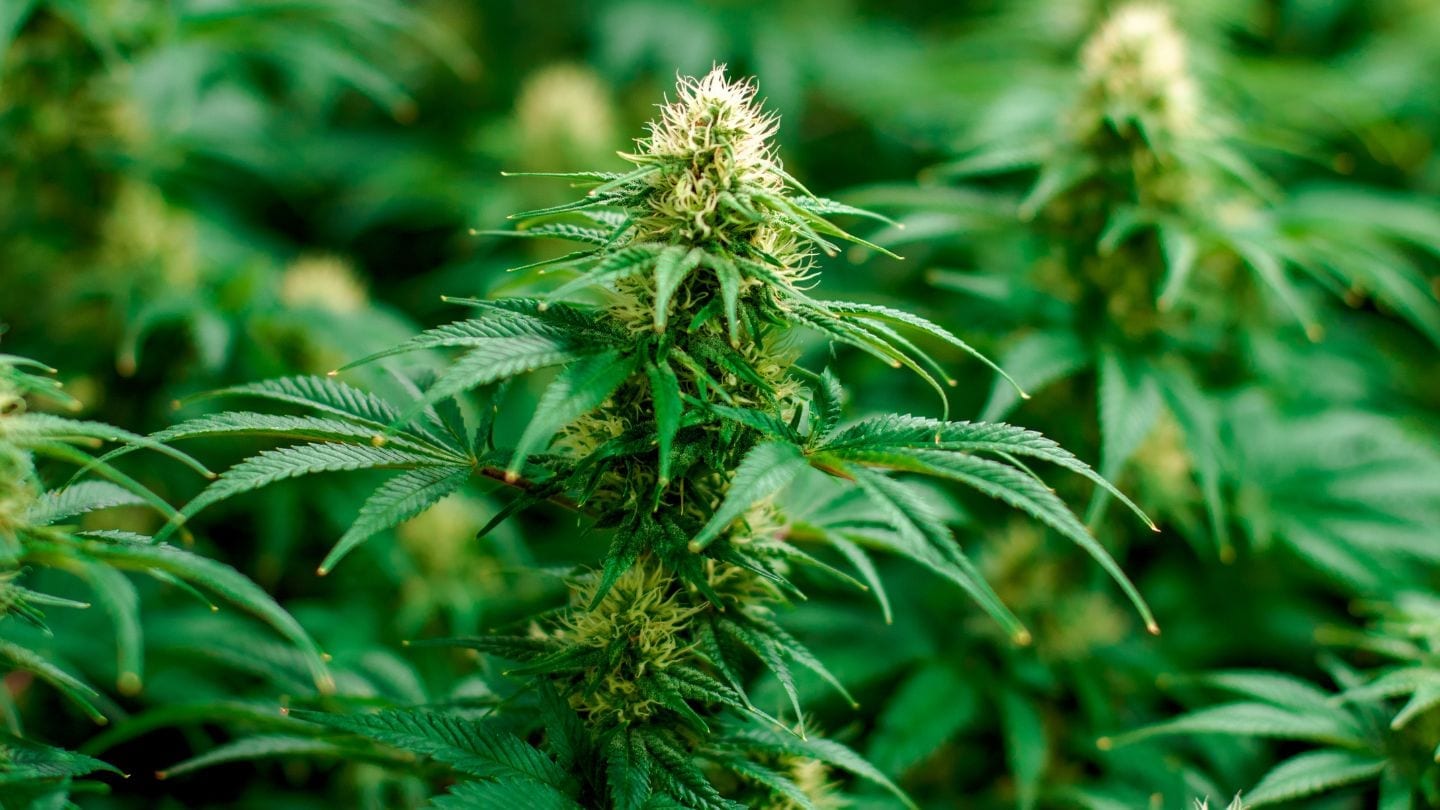
Rhode Island’s medical marijuana program offers qualifying patients the valuable opportunity to cultivate their own medicine at home. This self-sufficient approach provides numerous benefits including significant cost savings, complete control over growing methods, and the therapeutic benefits of gardening itself. Before starting your home cultivation journey, you’ll need to obtain a valid medical marijuana card – a straightforward process that ensures you’re legally protected while growing. This comprehensive guide will walk you through everything you need to know about successfully growing your own medical marijuana in Rhode Island.
Understanding Rhode Island’s Home Growing Laws
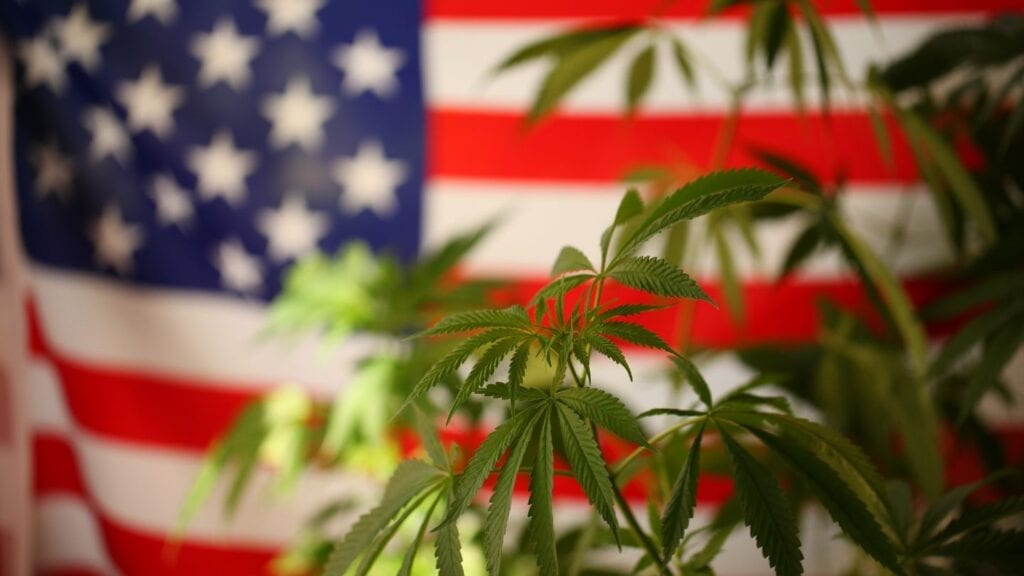
Rhode Island law permits registered medical marijuana patients to grow cannabis at home, with specific guidelines that must be followed:
- Patients can cultivate up to 12 mature plants and 12 immature plants
- Plant tagging requirements must be followed with registration numbers
- All growing must take place in one enclosed, locked facility
- Plants must not be visible from the street or public areas
- Patients must keep their medical marijuana card and growing documentation readily available
Compliance with these regulations is essential for maintaining legal protection as a home cultivator in Rhode Island.
Getting Started: Setting Up Your Grow Space
Creating an effective growing environment is fundamental to successful cultivation:
- Choose a dedicated space – spare rooms, closets, or grow tents work well
- Ensure proper ventilation to control temperature, humidity, and odors
- Select appropriate lighting (LED, HPS, or fluorescent options depending on budget)
- Gather essential supplies: pots, growing medium, nutrients, pH testing kit, thermometer, and hygrometer
- Consider water quality and filtration needs
- Install basic security features like locks on your grow room door
Your grow space doesn’t need to be elaborate – even a modest setup can produce quality medicine when properly managed.
Choosing the Right Strains for Your Medical Needs
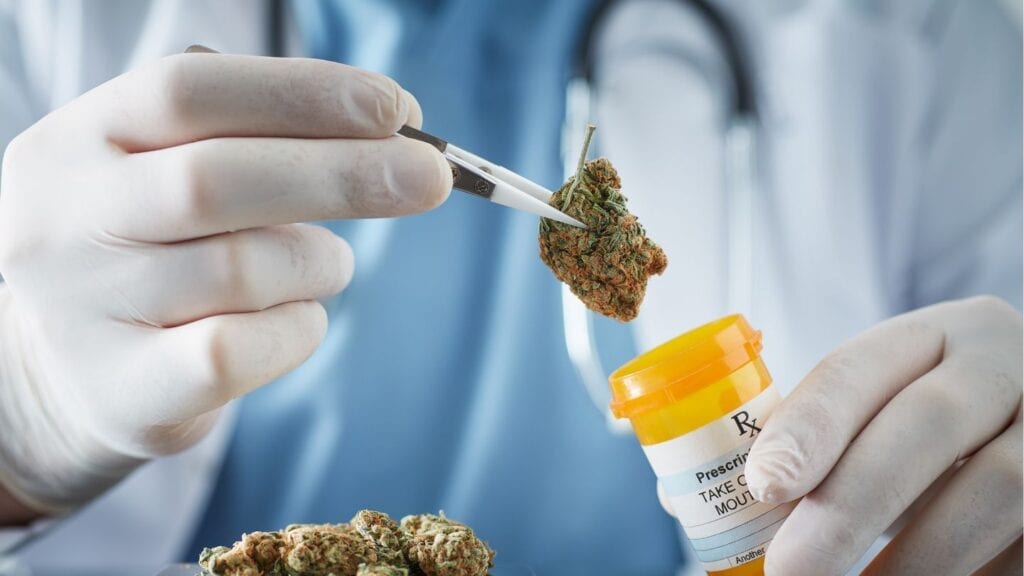
Selecting appropriate cannabis strains based on your specific medical condition is crucial for effective symptom management:
- Indica-dominant strains often help with pain, insomnia, and muscle spasms
- Sativa-dominant varieties may benefit those with depression, fatigue, or focus issues
- CBD-rich strains can provide relief with less psychoactive effects
- Balanced THC
ratios offer broad therapeutic benefits for many conditions
Working with a knowledgeable medical marijuana doctor can help identify which cannabinoid profiles might work best for your specific symptoms. Once you’ve determined your needs, legally obtaining seeds or clones is your next step toward successful cultivation.
The Growing Process: From Seed to Harvest
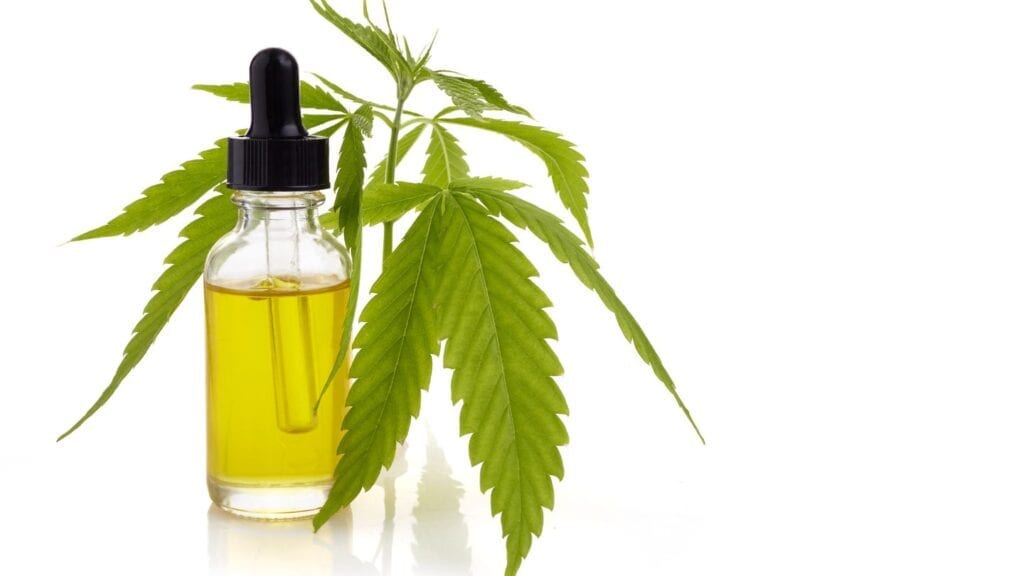
Growing cannabis follows distinct stages, each requiring specific care:
- Germination (3-10 days): Soak seeds until they sprout a taproot
- Seedling stage (2-3 weeks): Provide gentle light and maintain humidity
- Vegetative stage (3-16 weeks): Increase light intensity, implement training techniques like topping or LST
- Flowering (8-11 weeks): Switch light cycles to trigger flowering, monitor for male plants
- Harvest: Watch trichomes for peak ripeness, typically when they turn cloudy with some amber
- Drying (7-10 days): Hang plants in a dark, temperature-controlled environment
- Curing (2+ weeks): Store in glass jars, burping regularly to release moisture
Each stage builds upon the previous one, making patience and attention to detail essential throughout the growing cycle.
Common Challenges and Solutions
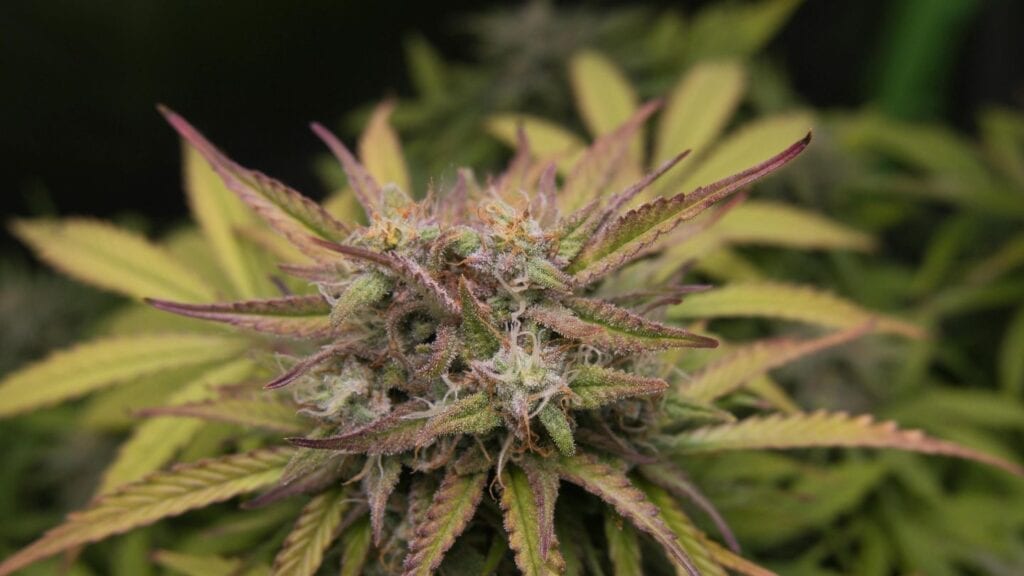
Even experienced growers face obstacles. Here’s how to address common issues:
- Pest management: Introduce beneficial insects, use neem oil, or insecticidal soaps
- Nutrient deficiencies: Learn to identify symptoms through leaf discoloration patterns
- Temperature fluctuations: Install heaters or air conditioning as needed
- Light burn: Adjust light distance from plants
- Mold/mildew: Improve air circulation and reduce humidity
- Overwatering: Allow soil to dry between waterings
Keeping a grow journal helps track problems and solutions, improving results with each growing cycle.
Maximizing Medicinal Quality
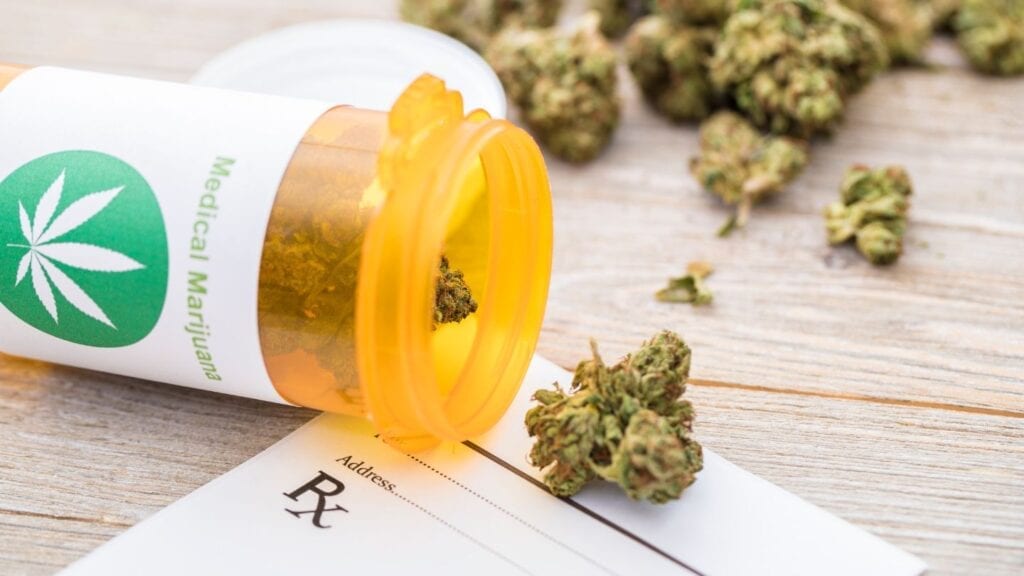
The methods used during cultivation directly impact the therapeutic value of your harvest:
- Consider organic growing practices to avoid chemical residues
- Flush plants with clean water during the final weeks before harvest
- Dry slowly in controlled conditions (60-65°F with 55-60% humidity)
- Cure properly in glass containers for at least 2-4 weeks
- Store in a cool, dark place to preserve cannabinoids and terpenes
These steps help ensure your homegrown medicine maintains its potency and beneficial properties over time.
Legal Compliance and Safety Measures
Remaining compliant with Rhode Island regulations protects you as a patient-grower:
- Keep your grow area locked and secure at all times
- Maintain proper documentation including your medical marijuana card
- Store harvested cannabis in child-resistant containers
- Never sell or distribute your homegrown medicine
- Transport only allowable amounts when necessary
- Consider installing carbon filters to minimize odors
Following these guidelines helps ensure your home cultivation remains both legal and respectful to those around you.
Conclusion and Next Steps
Growing your own medical marijuana offers a rewarding way to take control of your health while developing gardening skills that improve with each harvest. Remember that this journey begins with obtaining your valid medical marijuana card – a crucial step that provides the legal foundation for home cultivation. As you develop your growing expertise, you’ll likely discover personalized techniques that work best for your specific conditions and symptoms.
For those ready to begin their medical marijuana journey in Rhode Island, professional guidance can make all the difference. The specialists at 11th State Consults can be reached at 401-228-5184 or through their website at 11thstateconsults.com to help you get started.
FAQ Section
Do I need a special growing license in addition to my medical card? No additional license is required beyond your medical marijuana card, though you must follow all cultivation regulations.
How much will it cost to set up a basic growing operation? A simple setup can start around $300-500, while more elaborate systems may cost $1,000+.
How much medicine can I expect to harvest? Yields vary widely based on experience and setup, but indoor growers typically harvest 1-5 ounces per plant.
Can I grow outdoors in Rhode Island? No, Rhode Island law requires cultivation in an enclosed, locked facility not visible from public areas.
How often should I water my plants? Rather than following a strict schedule, water when the top inch of soil feels dry to the touch.
What’s the best way to prevent my plants from developing an odor? Carbon filters connected to your ventilation system are the most effective odor control method.
Growing your own medical marijuana is both empowering and therapeutic. By starting with the proper legal documentation and following the guidelines in this article, you’ll be well on your way to producing your own high-quality medicine tailored to your specific needs.